

White label LMS: 9 proven reasons your brand deserves better
Updated August 22, 2026 · 13 min read
The moment that should worry you is the quiet one. A learner you spent months earning finally logs in to your academy, types in the password you sent, and lands on a screen that says Powered by someone else. Not your name. Not your promise. A logo they have never heard of, sitting where your brand should be. In that half second, the story you have been telling changes. You are no longer the expert they chose. You are a reseller of a tool. A white label LMS exists to close that gap for good, so the platform disappears and only your brand remains.
If your reputation is the reason people buy from you, the software you deliver on is not a back-office decision. It is the storefront. And most learning platforms were never built to get out of your way; they were built to be seen, so that every academy running on them doubles as an advertisement for the vendor. This is a plain look at why that matters, what actually changes when the platform is truly yours, and how to tell a real white-label experience from a logo swap that quietly stops at the login page.
A white label LMS is more than a logo swap
Before the reasons, a definition, because the word gets abused. Plenty of platforms advertise white labeling and mean something thin: you upload a logo, pick a color, and the homepage looks like yours. Then a learner clicks into a certificate, or opens an automated email, or reaches a checkout page, and the vendor’s name reappears like a watermark you thought you had removed. That is a paint job, not a white label LMS.
Real white labeling goes all the way down. It covers the domain in the address bar, the sender on every email, the logo on every certificate, the favicon in the browser tab, and the admin screens your own team shares in meetings. The test is simple: can a learner use your academy end to end and never once see a name that is not yours? If the answer is no, the branding is decorative, and decorative branding is exactly the kind buyers see through.
Your learners should never meet another company’s logo
Think about how much you invest to earn a single learner. The content you wrote at midnight. The reputation you built one delivered program at a time. The referral that finally converted after three follow-ups. All of that effort funnels a person to a login screen, and if that screen belongs to a vendor, you have handed the last and most important impression to a company that did nothing to earn it.
Branding is not vanity here. It is the difference between looking like a business and looking like a hobby that rents its tools. When a customer sees a foreign logo on the platform they are paying you for, a small doubt opens: if this part is not really theirs, what else is not? That doubt does not announce itself. It shows up later as a renewal that does not happen, or a referral that never gets made. The fix is not clever marketing. It is removing the seam entirely, so the product a learner touches is unmistakably yours from the first pixel to the last.
A white label LMS turns your training into a product
There is a real, felt difference between selling a service and owning a product. A service is something you perform, and it lives or dies with your calendar. A product is something that exists, holds its shape, and carries your name whether you are in the room or not. A white label LMS is what moves training from the first category to the second. Your courses stop being files you email and become a platform people log into, explore, and return to, under your brand and your rules.
That shift changes how buyers see you and how much they will pay. A polished, self-serve academy signals that you are an operation, not a one-person shop with good intentions. It lets you package, price, and sell learning the way a software company sells access, and to do it under a name your market already trusts. The platform is the vehicle; your brand is what people are actually buying a ticket to ride.
Trust lives in the details learners notice
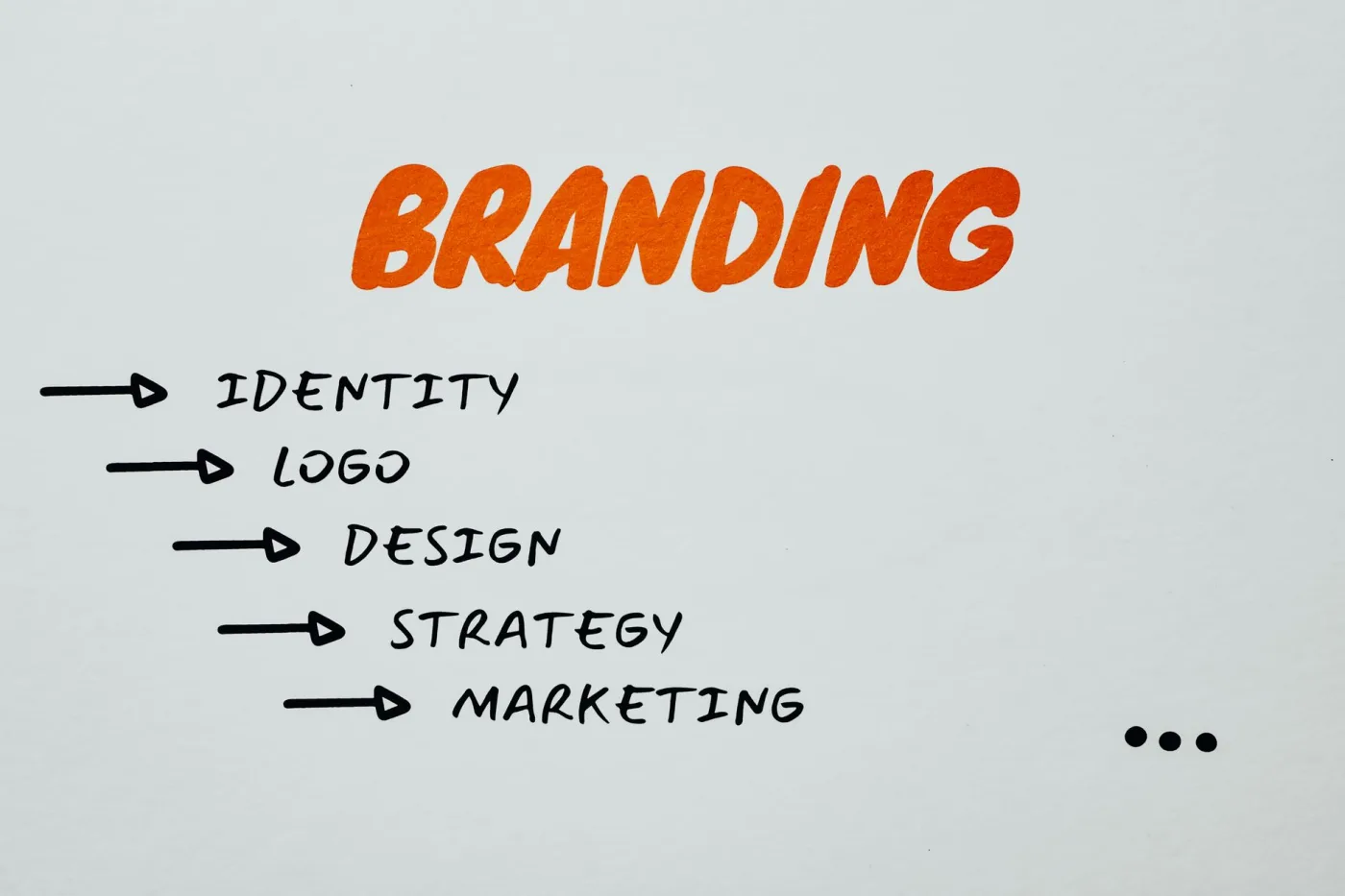
People decide whether to trust an experience faster than they can explain why. A mismatched color, a stock font, a confirmation email from an address they do not recognize; none of these are dealbreakers on their own, but together they whisper that the thing they are using is generic. And generic is the enemy of premium pricing. You cannot charge expert money for an experience that feels rented.
The details that build trust are exactly the ones a shallow branding option leaves untouched: the loading screen, the certificate a learner proudly downloads and posts, the footer of an automated email, the little favicon in the browser tab. When those carry your identity, the experience feels considered, and considered feels safe. Learners relax, finish more courses, and tell other people about it. When the details betray a borrowed platform, the opposite happens quietly, and you never see the sale you did not make or the referral that never came.
Your domain is part of your reputation
Where your academy lives matters as much as how it looks. A course hosted on yourbrand.somevendor.com tells everyone who reads the address bar that the real owner is the vendor. A custom domain, learn.yourbrand.com, tells them the opposite. It is a small string of text that carries a surprising amount of authority, and learners read it whether they realize it or not.
A domain you control is also an asset you keep. It builds search value over time, it can be pointed somewhere else if you ever change platforms, and it never puts a competitor’s name in front of your customers. Renting your address from a software company is the digital equivalent of hanging their sign above your shop door. The right platform hands you the keys and lets your brand own the street it stands on. This is one of the first things to confirm on any white-label and custom-domain setup, because a platform that cannot give you a real domain cannot really give you a white label.
Email that comes from you, not a stranger
Every course sends mail. Enrollment confirmations, reminders, certificates, nudges when someone falls behind. Each of those emails is a touchpoint, and each one is a chance to either reinforce your brand or quietly undermine it. When that mail arrives from a generic vendor address, learners are more likely to ignore it, mark it as spam, or simply not recognize it as coming from you at all.
Sending from your own domain changes the math. Open rates climb because the sender is familiar. Deliverability improves because the mail is authenticated against a domain you control. And the relationship stays between you and your learner, with no third party standing in the middle of the conversation. Communication is not a footnote to learning; it is half of it, and it should always look and sound like you, right down to the address it comes from.
Stop paying to advertise someone else’s brand
Here is the part that stings once you notice it. On a platform that stamps its name on everything, you are not just paying a subscription. You are running a free advertising campaign for your vendor, delivered to the most qualified audience imaginable: people who already trust you enough to learn from you. Every logo, every powered-by line, every branded certificate is a billboard you bought and pointed at your own customers.
Some of those learners run training programs of their own. Some are decision-makers at companies you would love to work with. When they admire your academy and the name they walk away remembering is your vendor’s, you have handed a warm lead to the very company you pay every month. A white label LMS ends that leak. The credit for a great experience flows to the brand that built it, which is exactly where it belongs, and the audience you paid to gather stays yours.
Sell your courses without a middleman’s name on them
If you monetize learning, branding and revenue are the same conversation. A checkout page is a moment of trust, and trust is fragile at the exact instant someone reaches for a card. A learner who sees your brand through the entire buying flow, from the first course preview to the receipt in their inbox, completes the purchase with confidence. A learner who suddenly sees an unfamiliar platform name at checkout hesitates, and hesitation is where sales quietly die.
Owning the full experience also means owning the relationship after the sale. Upsells, bundles, renewals, and referrals all work better when the customer feels they are dealing with one trusted brand rather than being handed off to a system they have to re-learn. When you sell courses under your own name end to end, you are not just closing a transaction; you are building a customer who comes back and brings someone with them.
One brand, every screen, every learner
Your learners are not all sitting at the same desk. Some open a course on a laptop between meetings, some on a phone during a commute, some on a tablet at home after the kids are asleep. Consistency across all of it is what makes a brand feel real rather than accidental. When the colors, the logo, the tone, and the certificate look the same everywhere, the experience feels engineered by people who care. When they drift from screen to screen, it feels stitched together from parts.
This consistency is quiet work that pays off loudly. It is the reason a learner can describe your academy to a colleague without fumbling for words, because it left a single, clear impression instead of five contradictory ones. A platform that carries your identity uniformly, on every device and in every corner, turns a scattered set of courses into something that feels like a place. And people come back to places far more often than they come back to files.
Buying a white label LMS versus building your own
At some point the ambitious version of this question arrives: why rent a platform at all, why not build one? On paper, a custom build promises total control. In practice, it usually delivers a permanent engineering project. Authoring tools, video handling, assessments, certificates, reporting, payments, mobile, and security are each their own discipline, and learners expect all of them to work on day one. The real cost is almost never the initial build; it is the maintenance that never ends, the features competitors ship while your team fixes bugs, and the roadmap you now own alone instead of sharing with a vendor whose only job is to keep improving it.
A white label LMS is the shortcut that does not feel like a compromise, because the branding outcome is identical. Your learners see your name, your domain, and your certificates exactly as they would on something you built from scratch, except the platform underneath is already mature, already maintained, and already getting better without a line of your own code. You get the ownership that actually matters, the brand and the relationship with the learner, without signing up to become a software company by accident. For almost every training business, buying a real white label LMS and pointing all that saved time and money at content and customers is the decision that compounds the fastest and hurts the least.
What a borrowed brand quietly costs you over time
The damage from an unbranded platform is rarely a single dramatic loss. It compounds. One learner who felt the experience was generic does not renew. One prospect who saw a vendor logo decides you are smaller than you are and negotiates harder. One competitor notices the platform you use and signs up for the same one, now armed with your playbook. None of these show up on an invoice, which is exactly why they are so easy to ignore until the pattern is years deep.
Run the opposite scenario and the compounding works for you. Every branded email trains your audience to recognize you. Every branded certificate gets shared on a profile with your name on it, doing quiet marketing for months. Every consistent screen makes the next sale a little easier because the brand already feels established. A white label LMS is not a cosmetic upgrade; it is a decision about who accumulates the trust your learners generate, you or the company you rent from.
How to choose a white label LMS that actually delivers
Not every platform that advertises white labeling actually delivers it. Many stop at the logo and the login page, then let their own name reappear the moment a learner clicks into a certificate or receives an email. When you evaluate a white label LMS, push past the polished demo homepage and ask the questions that reveal how deep the branding really goes.
Start with the address: can you run the whole thing on your own domain, not a subdomain of the vendor’s? Move to mail: can automated emails send from your address, authenticated properly so they land in the inbox? Check the artifacts learners keep, the certificates and downloads, and confirm your brand is on them, not the platform’s. Look at the learner and admin views alike, because a foreign logo hiding in the admin panel still shows up the moment your team shares a screen. Finally, weigh whether white labeling is a genuine capability or an expensive add-on locked behind the top tier that you have to buy back piece by piece. The best platforms make your brand the default, not a feature with a surcharge. Compare the options honestly, look closely at how each one prices it, read the plans before you commit, and if you are switching from a system that never truly felt like yours, plan the move carefully so nothing gets left behind.
The idea behind a white-label product is centuries old: a maker builds it, and the seller puts their own name on it because the name is what the customer values. Your training is the product. Your brand is the name people came for. The right platform simply makes sure that, from the first screen to the last email, the only name anyone sees is yours.
The brand you spent years earning deserves a platform that disappears behind it, not one that competes with it for the credit.
If you are ready to see what your academy looks like with your name on every screen and no one else’s, book a walkthrough and bring a real course. Twenty minutes is enough to watch your brand take over the entire experience, and to see how a white label LMS is supposed to feel when it is done properly.
Keep reading