

Learning paths: give people a road, not a library
Updated August 28, 2026 · 13 min read
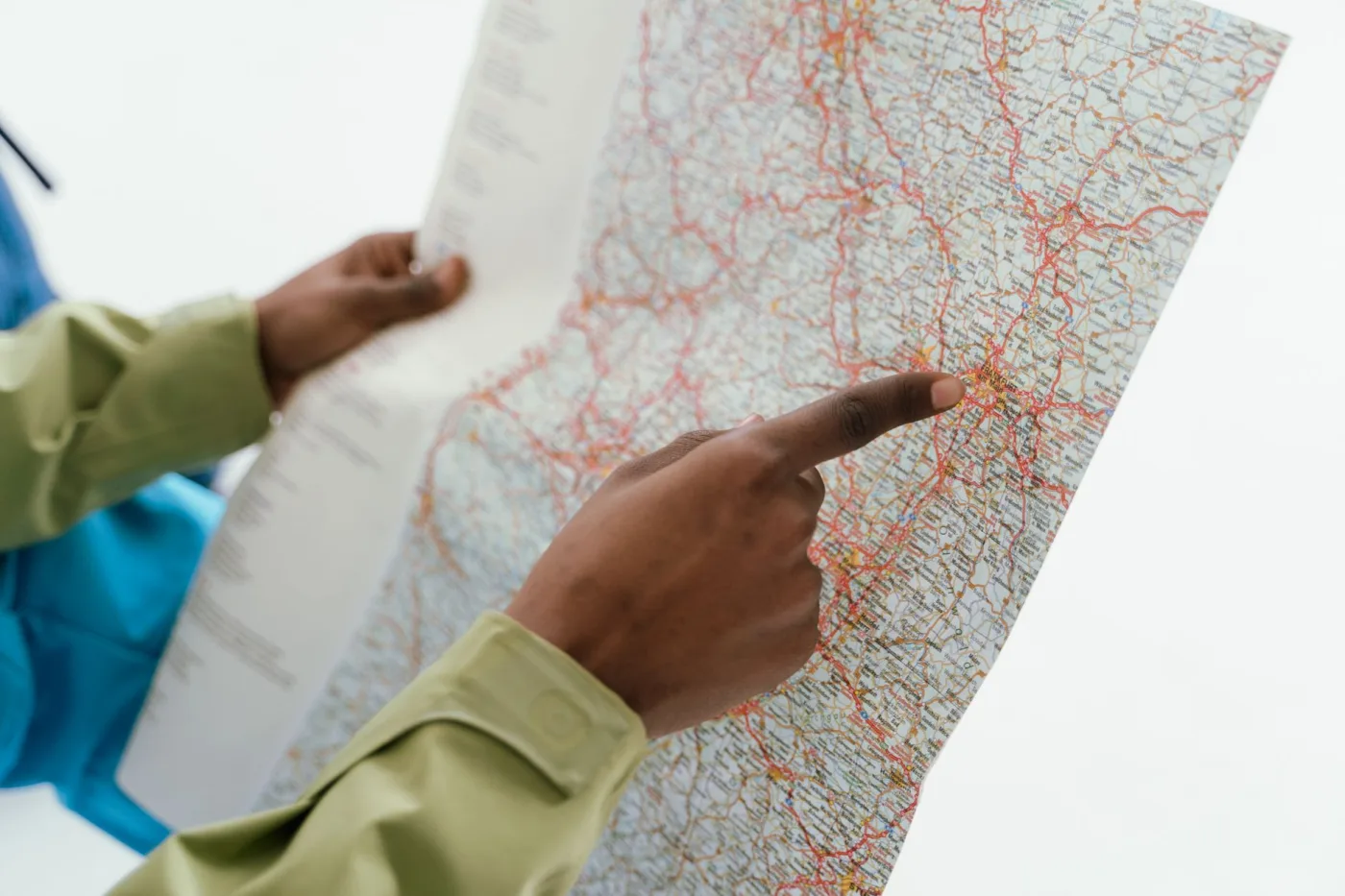
Imagine walking into a vast library with no signs, no sections, and no librarian, just thousands of books piled everywhere, and being told to learn what you need. That is what a lot of online training feels like to a learner: a huge pile of courses with no clear route through them. There is plenty of material, but no map. And a person with no map, faced with too many choices, usually does the same thing anyone would. They freeze, or they wander, or they leave. Well-designed learning paths turn a pile of content into a guided journey, much like the aim of personalized learning.
Learning paths solve this by giving people a road instead of a library. A learning path is a clear, guided sequence of courses and lessons that takes someone from where they are to where they need to be, one sensible step at a time. This guide explains what learning paths are, why they lift completion and results so much, how to design good ones, and how the right platform makes guiding people effortless. The difference between a pile of content and a path through it is often the difference between training that works and training that does not, even when the content on offer is exactly the same in both.
What a learning path really is
A learning path is a structured sequence of learning, ordered on purpose, that guides a person toward a specific goal. Instead of handing someone a catalog and wishing them luck, you give them a clear route: start here, then this, then that, building step by step toward a defined destination. It turns a scattered collection of courses into a coherent journey with a beginning, a middle, and an end, so the learner always knows exactly where they are and what comes next.
The power is in the sequence and the guidance. A good learning path is not just a list of courses thrown together; it is a thoughtfully ordered progression where each step prepares the learner for the next, building understanding gradually rather than overwhelming them all at once. It removes the two biggest burdens a self-directed learner faces: deciding what to learn and figuring out what order to learn it in. With those decisions made for them by someone who knows the subject, learners can put all their energy into actually learning, which is exactly where it should go.
Why paths beat piles of content
A learning path outperforms a pile of content for reasons rooted in how people actually behave. The first is choice. Faced with too many options, people struggle to choose and often choose nothing, a paralysis that a curated path eliminates entirely by making the choice for them. The second is order. Knowledge builds on itself, and learning things in the wrong sequence is confusing and discouraging; a path ensures the right foundation is laid before the harder material arrives, so each step actually makes sense.
The third reason is momentum. A path gives a learner a clear sense of progress and a destination to move toward, which is powerfully motivating, whereas an endless catalog offers no sense of advancement at all. Watching yourself move step by step toward a goal pulls you forward; wandering an infinite library does not. Put these together and a learning path does not just organize content; it fundamentally changes the odds that a learner starts, continues, and finishes. The same courses that gather dust as a pile become training people actually complete when arranged as a path, which is why the arrangement matters as much as the content itself.
There is something almost paradoxical here that is worth appreciating. Giving people fewer choices, a single guided route instead of a whole catalog, actually makes them more likely to learn more, not less. Freedom of choice sounds like a gift, but in the context of learning it often becomes a burden, a constant low-level decision about what to do next that drains the very energy that should go into learning. A path lifts that burden. By deciding the route for the learner, it paradoxically frees them, which is why the most guided experiences frequently produce the most self-directed growth.
The shape of a good path
A well-designed learning path has a clear shape, moving deliberately from a starting point to a goal. Seeing it laid out shows why the structure works so well.
Notice how each element serves the learner. The clear start removes anxiety, the building steps prevent confusion, the milestones sustain motivation, and the destination gives the whole thing purpose. A path with all four feels like being guided by someone who knows the way, which is exactly what a learner faced with too much content most needs. Get the shape right, and the path does much of the work of teaching simply by being well arranged.
How to design a learning path
Designing a good learning path starts, as so much good design does, at the end. Decide first what the learner should be able to do when they finish, the real capability or outcome the path leads to. That destination is your north star, and everything else works backward from it. Without a clear end in mind, a path becomes just an arbitrary sequence; with one, every step has an obvious reason to exist, because it moves the learner closer to that defined goal.
From the destination, work backward to map the steps. What does someone need to know or be able to do just before the end, and before that, and before that, all the way back to the starting point? This backward mapping naturally produces a sensible order, each step resting on the ones before it. Then sequence the content to match, arranging your courses and lessons along that route. The result is a path where nothing is out of place and nothing is missing, a clear line from where learners start to where you want them to arrive, which is exactly what turns scattered content into a journey worth taking.
A common trap in this backward design is including everything you could teach rather than only what the goal requires. Expertise makes it tempting to add just one more course, one more nuance, until the path swells into an exhausting curriculum. Resist that. The best paths are ruthlessly focused on the destination, including only the steps that genuinely move the learner toward it and cutting everything that is merely interesting. A lean path that reaches the goal beats a comprehensive one that no one finishes, because a path only helps if people actually walk it all the way to the end.
Different paths for different people
Not everyone should follow the same path, because not everyone starts in the same place or heads toward the same goal. One of the strengths of learning paths is that you can create different ones for different roles, levels, or objectives, so each person follows a route that fits them rather than a generic one that fits no one well. A new hire and a veteran, a beginner and an expert, a salesperson and an engineer each deserve a path shaped for their actual situation.
This tailoring makes learning far more efficient and relevant. When a path matches where a person genuinely is and where they need to go, they waste no time on things they already know or do not need, and they never hit a step they are unprepared for. The learning feels made for them, because it was. That relevance is not a small thing; it is often the difference between a learner who engages and one who quietly tunes out. People can tell when a path was built with their situation in mind versus when they have been dropped onto a generic conveyor belt, and they give their attention accordingly.
A path that respects where a person actually is earns their effort in return. A good platform makes creating and managing multiple paths straightforward, so you can guide many different kinds of learner without building a tangle you cannot maintain. The goal is that every person feels they are on a route made for them, even as the platform quietly manages dozens of routes at once.
You do not have to build every path from scratch for every person, either, which is what makes this manageable. A handful of well-designed paths, one per major role or goal, covers most of an organization’s needs, and small variations handle the rest. The aim is not infinite customization but sensible fit: enough different routes that nobody is stuck on a path built for someone else, without so many that maintaining them becomes a second job. Struck rightly, that balance gives learners the feeling of a tailored journey while keeping the whole system simple enough for you to actually run and keep current.
Paths that grow careers
One of the most powerful uses of learning paths is connecting them to growth and careers, not just to individual courses. When a learning path leads clearly from a person’s current role toward a next role or a higher level of skill, it becomes something more than training. It becomes a visible route for advancement, a map that shows an employee exactly how to get from where they are to where they want to be. Few things motivate people more than being able to see a way forward and knowing the steps to reach it.
This turns learning paths into a retention tool as much as a teaching one. People stay where they can grow, and a clear path for development signals that an organization is invested in their future. When employees can see that mastering a path opens a real door, they engage with the learning far more deeply, because it is tied to something they genuinely want. Connecting paths to career progression aligns the learner’s ambition with the organization’s need for capability, which is a rare and valuable alignment. Everyone is pulling in the same direction, and the path is what makes the direction clear.
Let the platform guide the way
A learning path is only as good as how smoothly a learner can follow it, which is where the platform matters. The best platforms make paths feel effortless: a learner logs in and sees exactly where they are, what they have completed, and what comes next, with the whole journey laid out clearly before them. There is never a moment of wondering what to do, because the path itself always answers that question, gently carrying the learner from one step to the next.
Behind the scenes, a good platform handles all the logistics that would otherwise fall on you. It unlocks the next step when the previous one is done, tracks each learner’s progress along their path, and shows administrators how everyone is moving through. This turns a learning path from a nice idea on paper into a living, guided experience that runs itself. The learner gets a clear, motivating journey; you get a program that guides many people at once without manual effort. That combination, effortless for the learner and manageable for you, is what makes learning paths practical at any scale.
The visibility a platform provides also lets you improve your paths over time. When you can see where learners tend to slow down, stall, or drop off along a path, you learn exactly where it needs work, perhaps a step that is too big a leap, or a stretch that drags. Fixing those specific points, one at a time, steadily makes the path smoother and more effective, using real evidence rather than guesswork. A learning path is never truly finished; it is refined, and a good platform gives you the view you need to refine it well, so it keeps getting better at guiding people the more it is used.
Where learning paths go wrong
Learning paths are powerful, but they fail in a few avoidable ways. The most common is making the path too long or too rigid, so it becomes its own kind of wall, overwhelming the learner rather than guiding them. A path with forty mandatory steps is not a helpful route; it is a marathon most people abandon. Good paths are as short as they can be while still reaching the goal, and they leave room for a learner to move at their own pace rather than forcing a lockstep march.
The second common mistake is building a path and never revisiting it. Needs change, content ages, and a path that made perfect sense a year ago can quietly drift out of date, sending learners through steps that no longer serve them. A good path is maintained, not just created, reviewed occasionally to make sure it still leads where it should by the best available route. The third mistake is designing the path around your content rather than the learner’s goal, arranging what you happen to have instead of what they actually need. Avoid these, keep paths lean, current, and goal-driven, and they deliver on their promise.
A few common questions
What is a learning path?
A clear, ordered sequence of courses and lessons that guides a person from where they are to a specific goal, one step at a time. It turns a pile of content into a coherent journey.
Why not just offer a course catalog?
Because too much choice paralyzes people, and the wrong order confuses them. A path removes both problems by choosing what to learn and in what sequence, so learners can just learn.
How do I design one?
Start at the end. Decide what the learner should be able to do when they finish, then work backward to map the steps that get them there, and sequence your content to match.
A learning path is the difference between handing someone a library and giving them a guided route through it. By choosing what to learn and in what order, a path removes the paralysis of too much choice, prevents the confusion of the wrong sequence, and provides the momentum of a clear destination. Design it from the goal backward, tailor it to different learners, and let the platform guide people along it effortlessly. Do that, and scattered content becomes a journey people actually complete. If you want a platform built to create and guide learning paths with ease, you can see the plans, read how the right approach lifts course completion, or book a short walkthrough and map your first path.
Start with one clear route to one real goal, watch how much more people finish when the way is marked, and you will never go back to handing learners a library and hoping.
Keep reading